
Why Breakfast Sandwiches Are a Morning Game-Changer
A breakfast sandwich is more than just a meal—it’s a morning ritual that combines convenience, flavor, and endless creativity. Whether you’re rushing out the door or savoring a lazy weekend brunch, this portable delight delivers satisfaction in every bite. From crispy bacon to gooey cheese, the breakfast sandwich is a canvas for your culinary imagination.
What Makes a Breakfast Sandwich Special?
A Brief History of the Breakfast Sandwich
The breakfast sandwich, as we know it, likely traces its roots to 19th-century England, where workers needed quick, hearty meals. Fast forward to today, it’s a global staple, from McDonald’s Egg McMuffin to artisanal café creations. Its versatility and portability make it a beloved choice for all.
Core Components of a Classic Breakfast Sandwich
Every great breakfast sandwich balances four key elements: bread, protein, cheese, and toppings. These components work together to create a harmony of textures and flavors. Let’s break them down:
- Bread: The foundation—think English muffins, bagels, or brioche buns.
- Protein: Eggs, bacon, sausage, or even plant-based options like avocado.
- Cheese: Melty cheddar, creamy brie, or tangy feta for that extra kick.
- Toppings: Fresh veggies, sauces, or herbs to elevate the experience.
Choosing the Right Bread for Your Sandwich
English Muffins: The Classic Choice
English muffins are a go-to for their nooks and crannies that soak up butter and sauces. Their sturdy texture holds up to hearty fillings without falling apart. Toast them lightly for a crisp exterior that contrasts with soft eggs.
Bagels: Chewy and Satisfying
Bagels bring a chewy, dense texture that’s perfect for a heartier sandwich. Opt for an everything bagel for extra flavor or a plain one to let the fillings shine. Slice and toast for the best results.
Brioche Buns: A Touch of Sweetness
Brioche buns add a slightly sweet, buttery note that pairs beautifully with savory proteins. Their soft, fluffy texture makes them ideal for a gourmet twist. Be sure to toast lightly to avoid sogginess.
Other Bread Options to Explore
Don’t limit yourself! Croissants offer flakiness, while sourdough adds a tangy depth. For a lighter option, try a whole-grain wrap. Each bread choice sets the tone for your sandwich’s personality.
| Bread Type | Texture | Best Pairings | Best For |
|---|---|---|---|
| English Muffin | Crisp, sturdy | Bacon, eggs, cheddar | Classic, quick breakfasts |
| Bagel | Chewy, dense | Sausage, cream cheese, avocado | Hearty, filling meals |
| Brioche Bun | Soft, buttery | Fried egg, ham, brie | Gourmet, indulgent sandwiches |
| Croissant | Flaky, light | Scrambled eggs, smoked salmon | Fancy brunch vibes |
| Sourdough | Tangy, crusty | Avocado, feta, roasted veggies | Artisanal, flavorful creations |
The Protein Powerhouse: Eggs, Meats, and More
Eggs: The Heart of the Sandwich

Eggs are the star of most breakfast sandwiches, offering versatility in preparation. Fried eggs provide a runny yolk for richness, while scrambled eggs offer a soft, fluffy texture. Poach them for a lighter, elegant option.
Bacon: Crispy, Smoky Goodness
Bacon’s salty, smoky crunch is a crowd-pleaser. Cook it until crisp but not brittle to maintain its flavor. For a healthier twist, try turkey bacon or even candied bacon for a sweet-savory surprise.
Sausage: Bold and Hearty
Sausage patties or links add bold flavor and satisfying heft. Choose pork for classic taste, chicken for a leaner option, or plant-based sausages for a vegan-friendly sandwich. Spice it up with chorizo for a kick.
Vegetarian and Vegan Protein Options
No meat? No problem. Avocado, smashed chickpeas, or tofu slices make excellent protein-packed alternatives. Season them well with spices like smoked paprika or nutritional yeast for depth.
Pros of Popular Proteins:
- Eggs: Versatile, affordable, and quick to cook.
- Bacon: Adds unbeatable smoky flavor and crunch.
- Sausage: Filling and available in various flavors.
- Plant-Based: Health-conscious and inclusive for all diets.
Cons of Popular Proteins:
- Eggs: Can be messy if overcooked or undercooked.
- Bacon: High in fat and sodium.
- Sausage: Can be greasy if not drained properly.
- Plant-Based: May lack the savory depth of meat for some.
Cheese: The Melty Magic
Cheddar: The All-American Favorite
Sharp cheddar melts beautifully and adds a tangy bite that pairs well with eggs and bacon. Use aged cheddar for bolder flavor or mild for a subtler touch. Grate it fresh for the best melt.
Swiss: Nutty and Sophisticated
Swiss cheese brings a nutty, slightly sweet flavor that complements ham or sausage. Its mild profile makes it a great choice for balancing bold ingredients. Thin slices ensure even melting.
Plant-Based Cheese Options
Vegan cheeses have come a long way. Look for cashew-based or coconut oil-based options that melt well. Brands like Violife or Follow Your Heart offer creamy, flavorful choices for dairy-free sandwiches.
Toppings and Sauces: Elevating Your Sandwich
Fresh Veggies for Crunch and Color
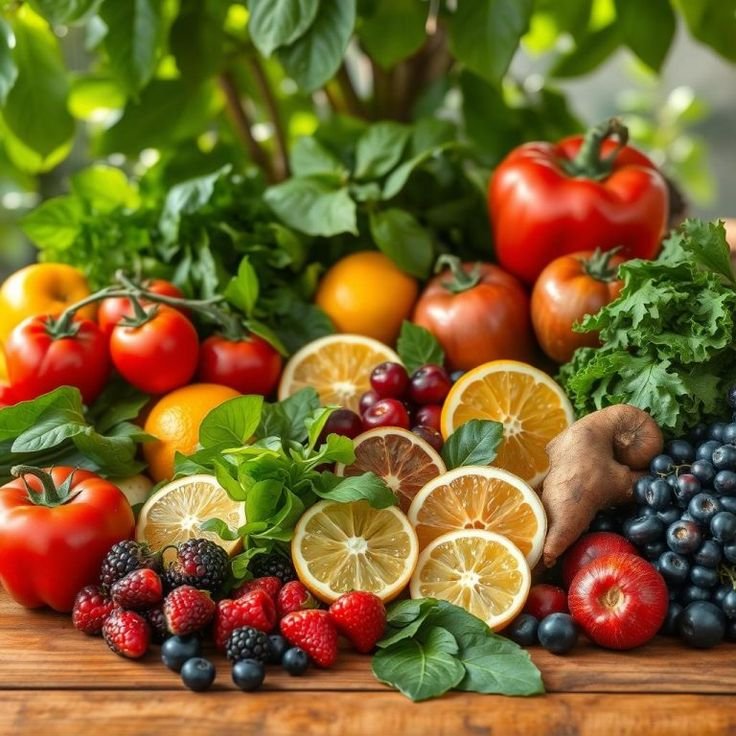
Tomatoes, arugula, or red onions add freshness and crunch. Thinly slice veggies to avoid overwhelming the sandwich. For a spicy kick, try jalapeños or pickled radishes.
Sauces: The Flavor Game-Changer
A good sauce ties it all together. Classic choices include ketchup, hot sauce, or mayo. For a gourmet twist, try sriracha aioli, pesto, or a tangy hollandaise. Spread lightly to avoid soggy bread.
| Sauce | Flavor Profile | Best Pairing |
|---|---|---|
| Ketchup | Sweet, tangy | Bacon, eggs, cheddar |
| Sriracha Aioli | Spicy, creamy | Sausage, avocado, arugula |
| Hollandaise | Rich, buttery | Ham, poached egg, English muffin |
| Pesto | Herby, nutty | Feta, roasted veggies, sourdough |
Step-by-Step Guide to Building Your Breakfast Sandwich
Step 1: Prep Your Ingredients
Gather your bread, protein, cheese, and toppings. Cook proteins like bacon or sausage ahead of time to streamline assembly. Have sauces and veggies ready for quick layering.
Step 2: Cook the Perfect Egg
For a fried egg, heat a non-stick pan over medium heat, add a touch of butter, and crack the egg in. Cook for 2–3 minutes for a runny yolk. For scrambled, whisk eggs with a splash of milk and cook low and slow.
Step 3: Toast the Bread
Lightly toast your bread to add crunch and prevent sogginess. Butter it for extra flavor, but don’t overdo it. A quick 1–2 minutes in a toaster or oven works perfectly.
Step 4: Assemble with Care
Layer your ingredients thoughtfully: bread, sauce, protein, cheese, veggies, and top with more sauce if desired. Place cheese directly on warm ingredients for optimal melting. Cap with the second piece of bread.
Step 5: Serve or Wrap for On-the-Go
Serve immediately for maximum freshness, or wrap in foil for a portable meal. If eating later, avoid wet toppings like tomatoes to keep the sandwich intact.
Regional Twists on the Breakfast Sandwich
The New York Bagel Sandwich
New Yorkers love their bagels piled high with cream cheese, lox, and capers. Add a fried egg for a breakfast twist. The chewy bagel and salty lox create a perfect balance.
The Southern Biscuit Sandwich
In the South, flaky buttermilk biscuits are king. Pair them with sausage gravy, a fried egg, and cheddar for a hearty, comforting sandwich. It’s a hug in food form.
The West Coast Veggie Delight
California’s take often features avocado, sprouts, and a whole-grain bun. Add a poached egg and vegan cheese for a health-conscious yet flavorful option. Freshness is key here.
People Also Ask (PAA)
What’s the best bread for a breakfast sandwich?
English muffins are a classic choice for their sturdy texture and ability to hold fillings. Bagels and brioche buns are also popular for heartier or gourmet sandwiches. Choose based on your desired texture and flavor.
How do you keep a breakfast sandwich from getting soggy?
Toast the bread lightly and avoid overloading with wet ingredients like tomatoes or sauces. Wrap in foil if storing, and layer cheese or protein as a barrier between bread and moist toppings.
Can you make a breakfast sandwich ahead of time?
Yes, prep ingredients like cooked bacon or sliced veggies in advance. Assemble and wrap tightly in foil, then reheat in an oven at 350°F for 10 minutes. Avoid adding fresh veggies until serving.
What’s a healthy breakfast sandwich option?
Use a whole-grain bun, avocado or hummus as the protein, and pile on fresh veggies like spinach or tomatoes. Opt for a low-fat cheese or skip it entirely for a lighter meal.
Tips for Making Breakfast Sandwiches in Bulk
Meal Prep for Busy Mornings
Cook proteins and chop veggies on Sunday for a week’s worth of sandwiches. Store components separately in airtight containers. Assemble fresh each morning to maintain quality.
Freezing for Convenience
Assemble sandwiches without fresh toppings, wrap tightly in foil, and freeze for up to a month. Reheat in the oven at 375°F for 15–20 minutes. Add fresh veggies after reheating.
Tools for Perfect Sandwiches

- Non-stick skillet: For perfectly cooked eggs and proteins.
- Toaster oven: Quick toasting without heating up the kitchen.
- Meal prep containers: Keep ingredients fresh and organized.
- Sharp knife: For clean veggie slices and easy assembly.
Where to Get the Best Breakfast Sandwiches
Fast Food Favorites
Chains like Starbucks and Dunkin’ offer reliable options. The Starbucks Bacon, Gouda & Egg Sandwich is a fan favorite, while Dunkin’s Sourdough Breakfast Sandwich brings bold flavors.
Local Cafés and Diners
Check out local spots for artisanal takes. Yelp reviews often highlight hidden gems with unique combos, like avocado and feta or chorizo and jalapeño. Search “best breakfast sandwich near me” for ideas.
Making Your Own vs. Buying
Homemade sandwiches are cost-effective and customizable. A single sandwich costs about $2–$4 to make at home, compared to $5–$10 at a café. Plus, you control the ingredients and portions.
| Option | Cost | Customization | Convenience |
|---|---|---|---|
| Homemade | $2–$4 | High | Moderate |
| Fast Food | $5–$8 | Low | High |
| Local Café | $8–$12 | Medium | Moderate |
FAQ Section
How do I make a breakfast sandwich vegetarian?
Swap meat for avocado, tofu, or smashed chickpeas. Add veggies like spinach or roasted peppers and use a flavorful cheese like feta. A whole-grain bun boosts nutrition.
What’s the best way to reheat a breakfast sandwich?
Wrap it in foil and heat in an oven at 350°F for 10–15 minutes. Microwaving works but can make the bread soggy—use 30-second intervals if you go this route.
Can I make a breakfast sandwich without eggs?
Yes! Use avocado, hummus, or a plant-based patty as the main protein. Add cheese and veggies for flavor. A smear of cream cheese or pesto adds richness.
What’s the healthiest cheese for a breakfast sandwich?
Low-fat mozzarella or Swiss are great choices for lower calories and fat. Vegan cheeses made from nuts are also healthy but check for sodium content.
How do I make a breakfast sandwich gluten-free?
Use a gluten-free bun or wrap, like those from Udi’s or Canyon Bakehouse. Ensure all other ingredients, like sausage or sauces, are certified gluten-free.
Final Thoughts: Your Breakfast Sandwich Journey
Crafting the perfect breakfast sandwich is an art form that blends creativity, flavor, and practicality. Whether you’re a bacon-and-egg purist or a veggie-loving innovator, there’s a combination out there that’s uniquely yours. Experiment with breads, proteins, and sauces to find your perfect bite. For more breakfast inspiration, check out Bon Appétit’s breakfast recipes or explore local cafés for new ideas. Now, go make a sandwich that’s worth waking up for!